
Animation has long ceased to be just entertainment for children. Today, it is a powerful tool for creating incredible worlds and stories that would not be possible to convey in traditional cinema. Over the past decades, animation has dramatically changed the way we perceive cinema and television. Let’s take a look at how it helps you create unique stories that you can’t forget!
From the first steps to cosmic worlds
When we think of animation, many of us immediately imagine vivid characters, such as Mickey Mouse or Donald Duck. But it all started much earlier, with simple animated videos created by hand. One of the first milestones was the cartoon Steamboat Willie (1928), in which Mickey Mouse made his debut. It was the first cartoon with synchronized sound and a real character with whom the viewer could experience real emotions.
But animation has become more than just a means of entertainment. With each passing decade, it has evolved into pure magic in which to create fantasy worlds and immortal stories. Think of Fantasy 1940, a film in which classical music and animation create an atmosphere that still amazes the imagination today.
Animation is more than just a picture
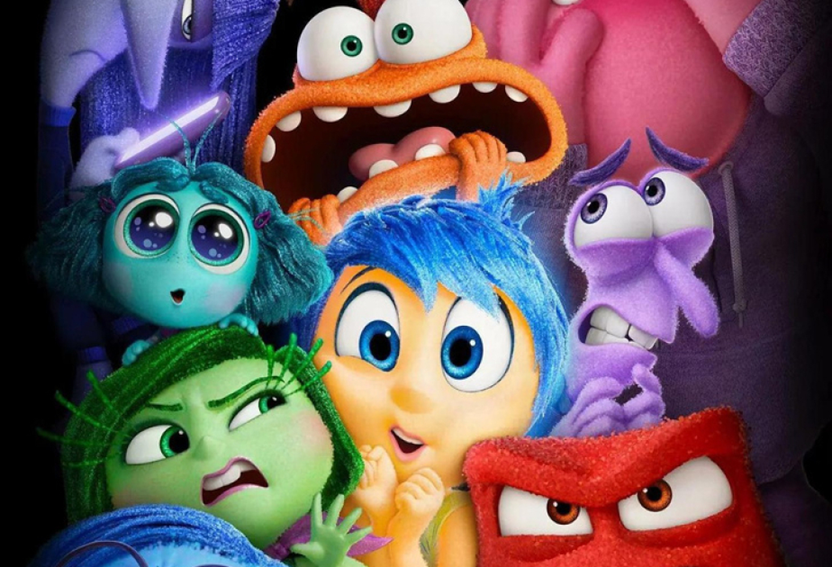
Animation has become more complex and diverse every year. If earlier cartoons were aimed mainly at a children’s audience, then with the development of technology, animation has gone beyond children’s stories. Look at films such as Finding Nemo or Inside Out – they not only make you laugh and worry, but also touch on deep topics about life, relationships and growing up.
What makes animation special is its ability to convey emotions and ideas using unlimited visual possibilities. For example, in Puzzle, the emotions of the characters are depicted as bright and unusual creatures, which helps the audience understand what is going on in the soul of each character.
Technologies that changed everything
Animation has become incredibly technologically advanced, and the process continues to evolve. For example, Toy Story (1995), the first full-length 3D animated film, was a revolution. It wasn’t just a movie, it was an era for the entire industry. Pixar showed how you can use computer graphics to create characters and worlds that look like they’re real, but still make absolutely everything possible, from space flights to the miraculous underwater worlds.
It’s no wonder that movies like Avatar, which use the latest 3D and CGI technology, have drawn viewers in like magnets and opened up new horizons in cinema. Animation has helped bring to life worlds that previously only existed in fantasy.
When Animation Comes to Television
Who would have thought that animated series like The Simpsons would change the way we think about what can be shown on screen? At first, it seemed like something strange – adult characters, satire on family values, politics and culture. But The Simpsons proved that animation can be not only funny, but also smart, touching on important social issues.
Or take Rick and Morty, an animated series that combines absurdity, science fiction, and philosophy. This is an example of how animation allows you to address more adult topics without being limited to the usual “childish” themes.
Characters you can’t forget
An important part of animation is its ability to create characters that stay with us for years to come. Mickey Mouse, the Simpsons, the characters from Inside Out — they all live in our minds and become as real as the actors in the movies. They teach us important life lessons, experience joys and disappointments with us.
Animation allows you to create worlds in which reality and fiction are intertwined, where the laws of physics can be violated, and the boundaries of fantasy are erased. It is an art that can say more than just “here’s the story.” It makes you think, feel and worry.
Summing up: animation as art
So what has animation actually done for film and television? It has made possible what previously seemed impossible. From simple cartoons to complex epics like Avatar and Spider-Man: Into the Spider-Verse, animation has helped create stories that stun, surprise, and make us look at the world in new ways.
Today, animation is not just a way to entertain. It is a powerful tool for conveying emotions, ideas and cultural values, capable of influencing generations of viewers. And, most likely, in the future, she will continue to change film and television, expanding the horizons for new stories and characters.